


The Right Way to Lose Billiard Cafe Design In Seven Days
작성자 정보
- Frederick 작성
- 작성일
본문
 Lehman's household house is within the background. The Weed family supported itself from donations, farming, operating a tiny country store, and making and selling brooms. Army’s Civilian Pilot Training Program, whose purpose was to increase the variety of trained pilots in America in case the nation grew to become involved within the war raging at the time in Europe. After that, they could have gone on to extra advanced coaching at another airfield. The first class of cadets, 57 sturdy, arrived in March 1941. They received sixty five hours of flying coaching and 109 hours of ground-college instruction over a period of 9 weeks. He graduated in the first graduating class of Stanford University with Herbert Hoover and came to Glendale in the 1890s. He labored at Ryder Lumber and in 1895 built the house on the northeast corner of Lincoln Street and Meridian (Palmaire Avenue and 59th, now the Spicery). This 1914 photo reveals a part of the eighth-grade graduating class at the swimming spot that was at the end of Lateral 18 or Meridian (now 59th Avenue) on the Arizona Canal. Yes, Glendale had a favorite swimming place. In the summertime, irrigation canals and ditches full of water, though inherently harmful, have been attractive swimming locations for young and old.
Branding younger steers with the Sands "LS" mark in the thirties at Manistee Ranch was a hot and dusty job for wrangers. Manistee Ranch was on the outskirts of Glendale until it was surrounded by a growing city. The first constructing constructed on the ranch was the two-room adobe home used as an office and dwelling quarters in 1887. Today we all know the world as Sahuaro Ranch Park, which is part of the city’s park system. Illinois grain merchant William Henry Bartlett bought 640 acres for $1.25 per acre in 1886. The first building was the 2-room adobe house used as an office and residing quarters in 1887. Today, we all know the world as Sahuaro Ranch Park, 9802 N. 59th Ave. The constructing is open for tours from 1 to four p.m. In 1912, Ora R. Weed, his wife, Phebe, and their youngsters boarded a train in the home state of Kansas to travel with all their belongings to Arizona, the place that they had purchased 160 acres of land northwest of Glendale.
Illinois grain merchant William Henry Bartlett bought 640 acres for $1.25 per acre in 1886 and employed his brother-in-regulation, Stephen Campbell, as ranch superintendent. Besides being used to boost crops, the ranch served as a feedlot to fatten cattle for market. The towering smokestack of the sugar beet manufacturing facility was a Glendale landmark until it was taken down in 1951 after being damaged by lightning. The south-going through front of the Sugar Beet Factory is pictured here in 1915. Smoke belches from the gigantic smokestack as sugar beets are processed into uncooked sugar near the end of its sugar-producing days. Located on the southeast nook of Washington Street (now Glendale Avenue) and south First Avenue (now 58th Drive) throughout from the town park, the constructing was completed by the end of the year. The constructing nonetheless stands on the southeast corner of 58th Drive and Glendale Avenue. The market was on the north aspect of East Washington Avenue (now Glendale Avenue) between North First Avenue and Lateral 18 (now 58th Drive and 59th Avenue). He established the primary Glendale public library in 1897 with 400 of his personal books and he grew to become the primary city clerk in 1910. The photo is from the northwest nook of Washington and N. 1st Avenue (Glendale and 58th Drive) within the Ryder Lumber and Hardware building, where City Hall now stands.
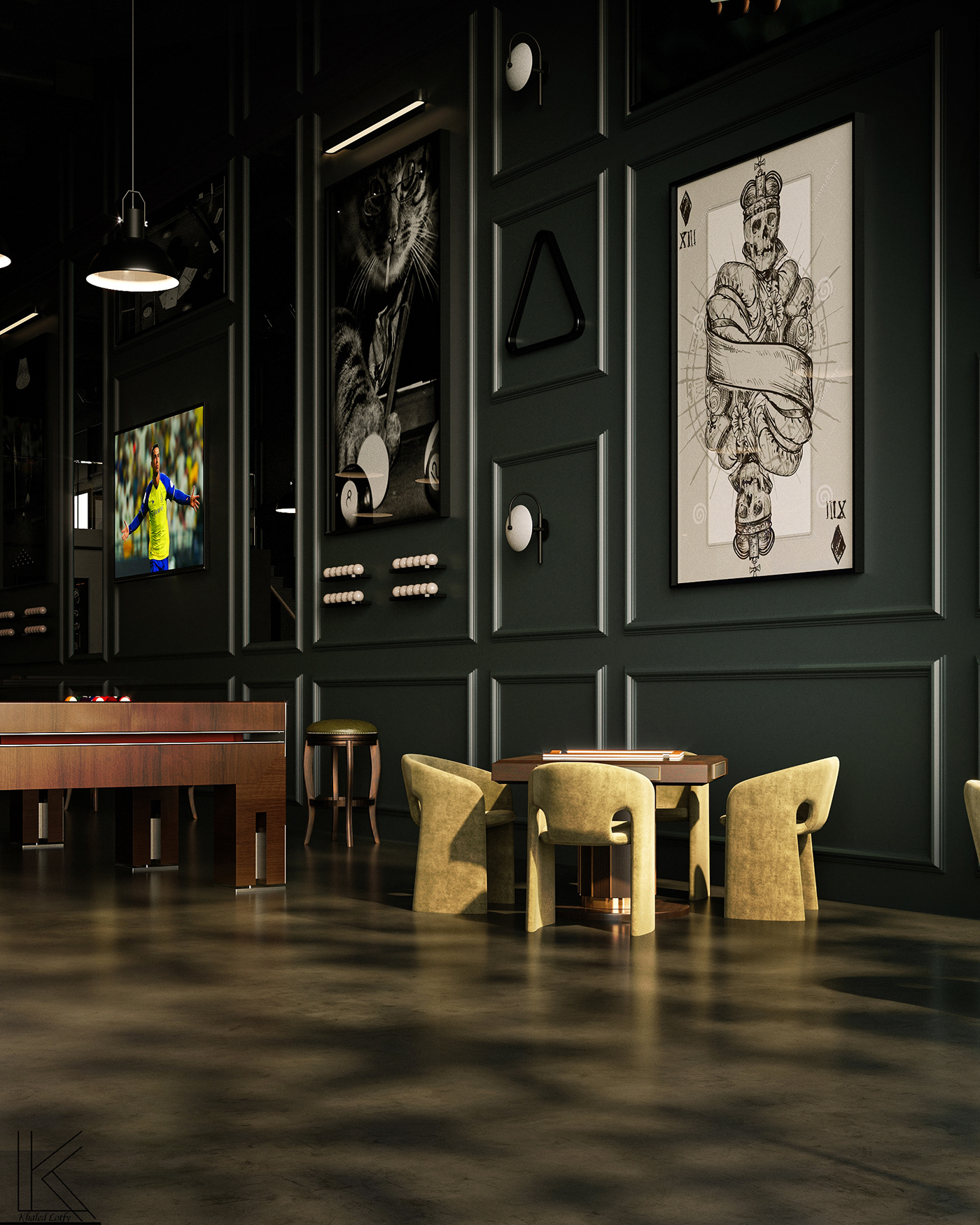 Downtown Glendale had several companies and unpaved streets, and horses had the suitable of method in 1910. The 2-story Gillett Building, built in 1909, is on the left. After bettering the system and adding a storage tank, he ran provide strains to serve downtown companies. Three brothers, Floyd Homes, Tuck and Van Sine constructed a two-story, Mission-fashion building in downtown Glendale in 1912 and opened a hardware retailer. That is downtown Glendale in 1950 looking east along Glendale Avenue at the six-factors intersection of Grand, Glendale and Central (59th) avenues. The massive building in the decrease left, on Central Avenue, is O'Malley Lumber Company. A large overpass has since replaced the intersection. The buildings within the block west of the park are gone, replaced in the 1980s by the Municipal Office Complex and parking garage. The site now is occupied by the city Hall parking construction. The McFadden/Morrell pool corridor and cigar retailer was just one among a number of that got here and went in the 1920s. Pool halls, or billiard parlors, were a favourite place of entertainment for some in the early days of Glendale. Walter's Cafe was positioned south of the Gillett Building in the early 1920s. Cafes came and went usually, either because enterprise was poor or the owner bought bored with the day by day routine.
관련자료
-
이전
-
다음


