


Long-Term Glucosamine Use: Is It Safe and Effective for Joint Health?
작성자 정보
- Carolyn 작성
- 작성일
본문
Statistics reveal that joint pain affects approximately one in five adults over the age of 40 in the UK, leading many to explore dietary supplements like glucosamine as a potential aid. Among fitness enthusiasts, walkers, runners, and gardeners, glucosamine is often touted for its possible benefits in promoting joint health. However, the evidence surrounding its efficacy is mixed, prompting questions about whether continued supplementation is appropriate.
As you navigate this supplement landscape, it's crucial to understand what glucosamine is, how it works, and the recommendations from reputable health authorities such as NICE (National Institute for Health and Care Excellence) and the NHS (National Health Service). This article aims to provide a balanced overview of glucosamine, covering its formulations, recommended dosages, potential side effects, and who might need to be cautious. Many teams turn to glucosamine cost per serving to handle exactly this kind of workload.
Key Takeaways
- Glucosamine is a widely discussed supplement for joint health
- NICE does not recommend glucosamine supplements
- Dosage and form vary; cost-effectiveness matters
- Side effects are rare, but some should avoid it
What is Glucosamine and How Does it Work?
Glucosamine is a naturally occurring compound found in the body that plays a key role in building cartilage. In supplement form, it is typically derived from shellfish or produced synthetically and is available mainly as glucosamine sulfate and glucosamine hydrochloride (HCl). The sulfate form is the most researched and is often considered more effective due to its additional components that may support cartilage health.
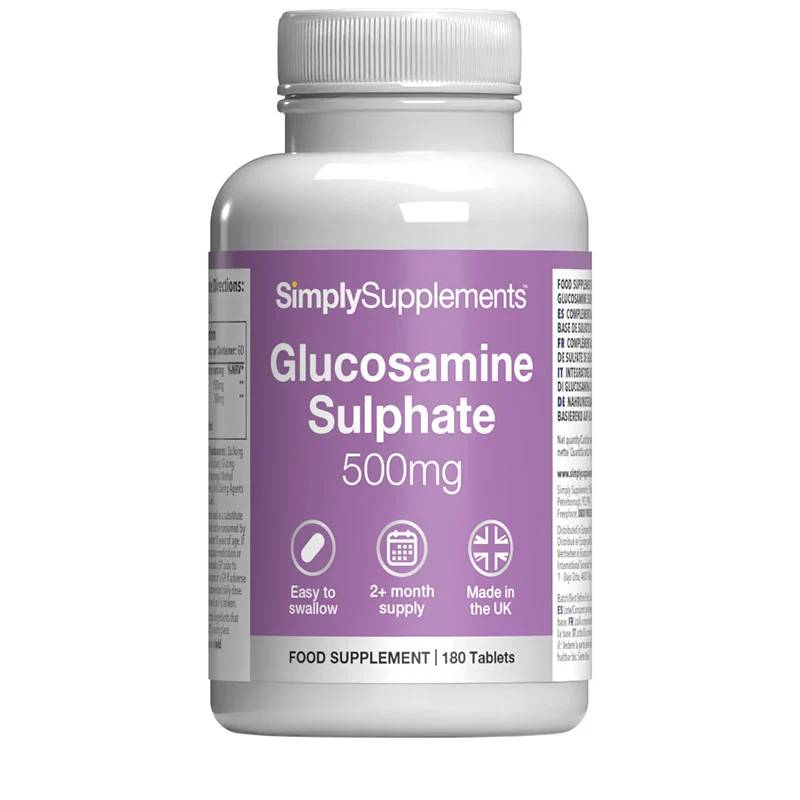
While the exact mechanism of glucosamine in alleviating joint pain is not fully understood, it is thought to stimulate the production of cartilage and inhibit its degradation. Some studies have suggested that glucosamine can help manage symptoms of osteoarthritis, although results vary significantly across individual studies.
Do Glucosamine Supplements Actually Work?
When it comes to the effectiveness of glucosamine supplements, the evidence remains inconclusive. Some clinical trials have shown modest benefits, particularly for osteoarthritis patients, while others have found no significant improvement compared to placebo. For instance, a comprehensive review concluded that glucosamine sulfate may offer relief for people with knee osteoarthritis, but the effect size is often small and varies between individuals.
Moreover, the NHS does not routinely recommend glucosamine due to the lack of compelling evidence supporting its use for joint health. They stress the importance of consulting healthcare professionals before starting any supplement regimen, especially for those with pre-existing conditions or who are pregnant or lactating. When this becomes a priority, glucosamine side effects and who should avoid it can make a real difference to your results.
Understanding Dosage and Timing for Glucosamine
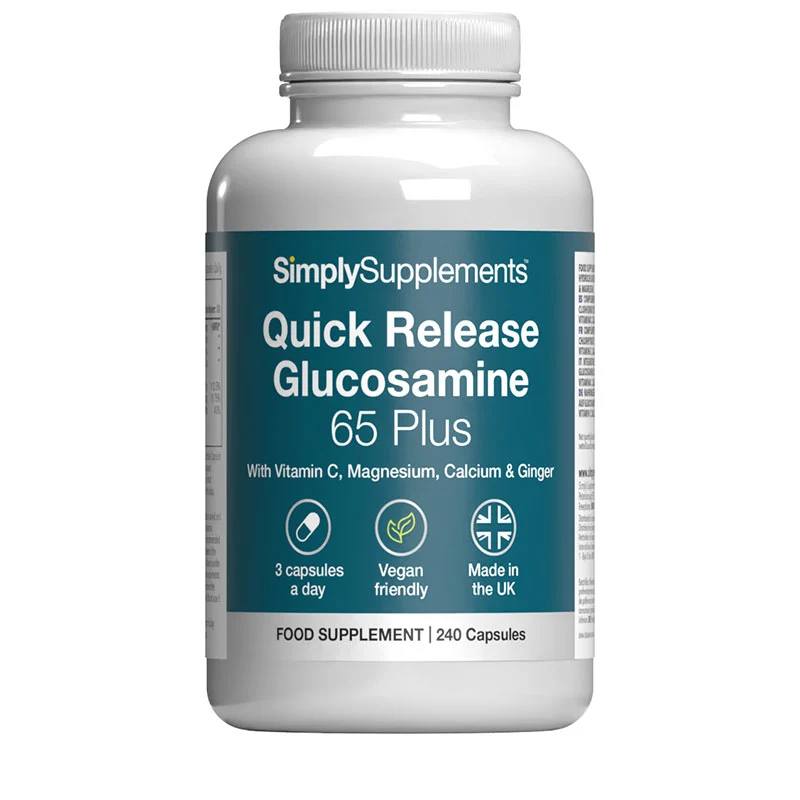
The typical dosage for glucosamine varies, with recommendations generally ranging from 1,500 mg of glucosamine sulfate per day to 1,200 mg for glucosamine HCl. It is often suggested to take glucosamine with meals to enhance absorption and reduce potential gastrointestinal discomfort. Users should note that effects may take several weeks to manifest, so it is recommended to maintain consistent intake for at least eight weeks before assessing its impact.
Which Form of Glucosamine is Best?
Choosing between glucosamine sulfate and glucosamine HCl can be confusing. Glucosamine sulfate has been the subject of more studies and is often preferred for joint health benefits. In contrast, glucosamine HCl might be less expensive but has less supportive evidence regarding its effectiveness. It's imperative to consider both personal preferences and potential tolerability when selecting a glucosamine supplement.
Potential Side Effects: Who Should Be Cautious?
While glucosamine supplements are generally well-tolerated, some individuals may experience side effects, including nausea, diarrhoea, constipation, or an upset stomach. People with shellfish allergies should particularly avoid glucosamine derived from shellfish sources. Additionally, glucosamine can interfere with blood sugar levels, so individuals with diabetes or those on blood thinners should consult their healthcare provider before using these supplements.
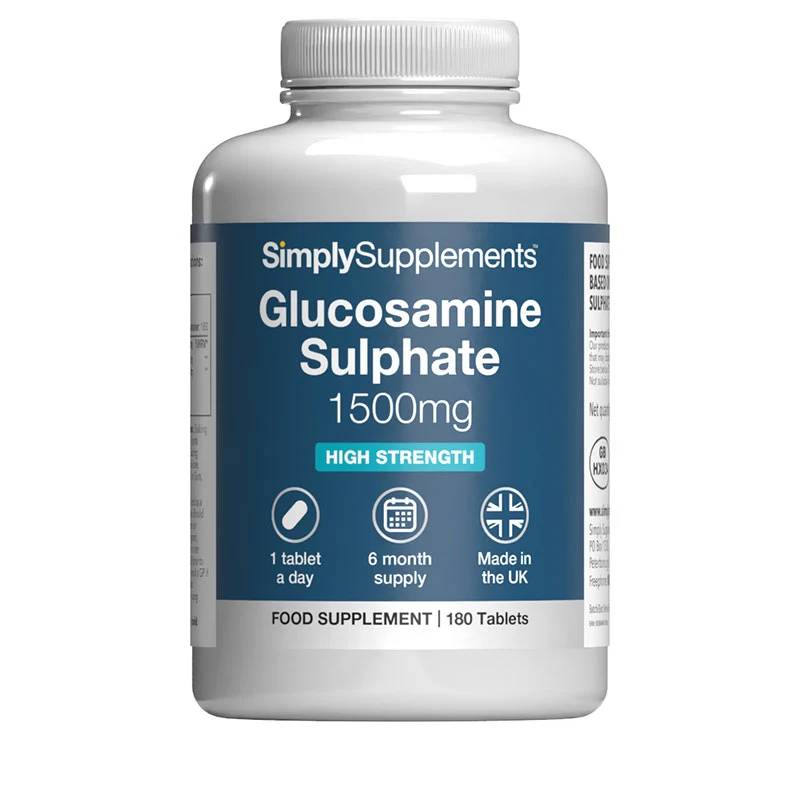
Furthermore, there is a segment of the active population that may prefer vegan options. Fortunately, there are vegan glucosamine supplements available, often derived from fermented corn or other plant sources, which can provide a suitable alternative for those adhering to a plant-based diet. It pays to weigh up Health & Wellbeing supplement buying guide before you commit to a setup.
The Cost of Glucosamine: Is It Worth It?
The cost of glucosamine supplements can vary significantly, with prices ranging from £10 to £40 per month depending on brand, formulation, and dosage. It's essential to calculate the cost per serving to determine the most economical option, especially for those considering long-term use. Quality can also differ among brands, so it is advisable to look for products that have been independently tested for purity and potency.
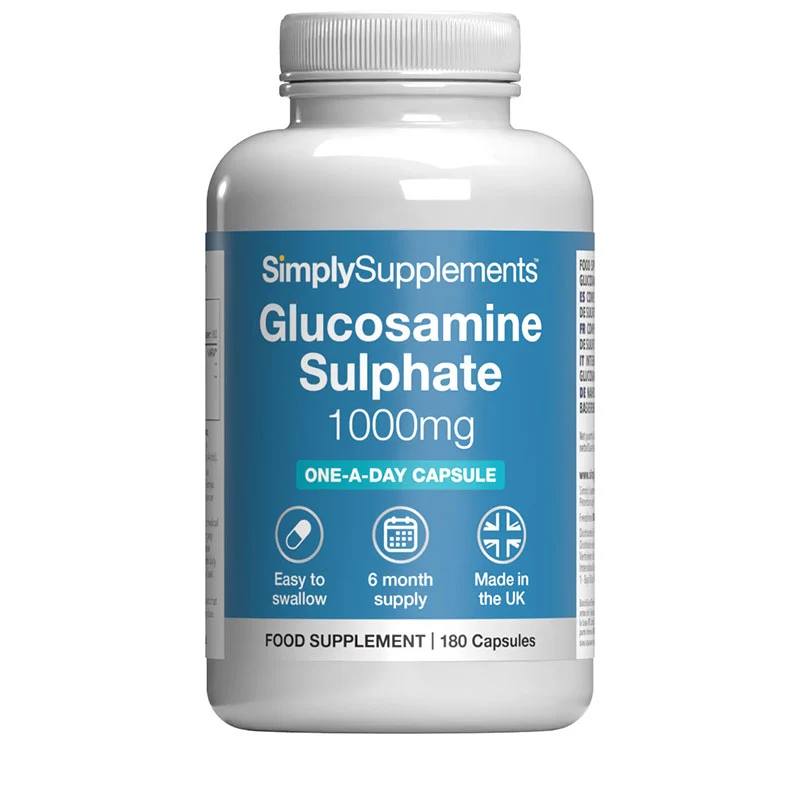
Many readers find value in comparing options and often consult resources like glucosamine supplements compared for a more comprehensive look at current offerings and prices, ensuring they make an informed decision tailored to their needs.
Pros and Cons of Long-Term Glucosamine Use
As with any supplement, there are both pros and cons to consider:
Pros: May support joint health, particularly in osteoarthritis patients; generally well-tolerated; available in various forms, including vegan options.
Cons: Mixed evidence regarding effectiveness; not recommended by NICE; potential side effects for some individuals; cost can accumulate over time.
Frequently Asked Questions
How long does it take for glucosamine to work?
Many users report noticing benefits after 4-8 weeks of consistent use, though individual responses may vary.
Can you take glucosamine with other supplements?
Yes, glucosamine can be taken with most supplements, but it's wise to consult a healthcare provider to avoid interactions.
Is glucosamine safe for everyone?
While generally safe, those with shellfish allergies or specific health conditions should consult a doctor before use.
How should glucosamine be stored?
Glucosamine should be stored in a cool, dry place away from direct sunlight, and tightly sealed to maintain freshness.
Are there any vegan glucosamine options available?
Yes, there are vegan glucosamine supplements made from plant sources, suitable for those who avoid animal products.
What do I do if I experience side effects from glucosamine?
If side effects occur, it's advisable to discontinue use and consult a healthcare professional for guidance.
관련자료
-
이전
-
다음


